Get Concrete Retaining Wall Installation
Local contractors offer concrete retaining wall installation services to solve erosion, hillside stabilization, and property boundary needs for various landscaping and structural projects.
If you are considering a concrete retaining wall for your property, you are in the right place to find the assistance you need. Installing a durable retaining wall can enhance landscape stability, prevent soil erosion, and create functional outdoor spaces. Property owners in the area often explore this work to improve property value, manage uneven terrain, or add aesthetic appeal to their yards. Exploring your options and understanding the benefits of professional installation can help ensure your project meets your specific needs.
Finding experienced local contractors who specialize in concrete retaining wall installation can make a significant difference in achieving a successful result. Comparing available service providers allows you to evaluate their expertise, reputation, and the range of services offered. Continuing to explore your options and gather information can help you make informed decisions about your property improvements.
- Residential properties - homeowners seeking to create level yards or prevent soil erosion around their homes.
- Commercial sites - businesses needing durable retaining walls to support landscaping or property boundaries.
- Landscape redesign projects - individuals looking to enhance outdoor aesthetics and manage uneven terrain.
- Garden and patio installations - clients requiring structural support for decorative or functional outdoor features.
- Slope stabilization efforts - property owners addressing hillside or embankment challenges to ensure safety and stability.
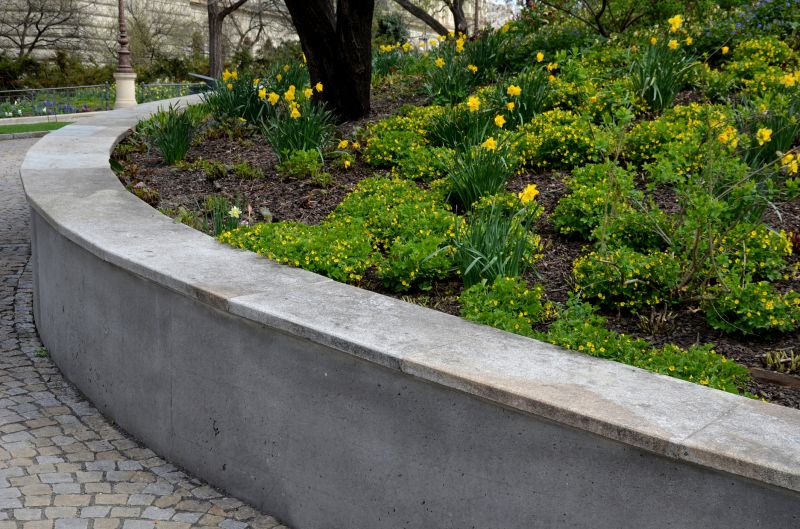
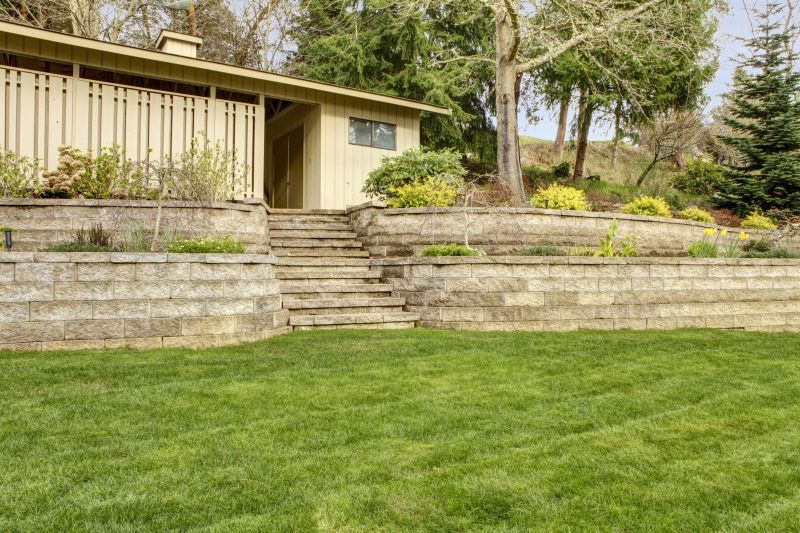
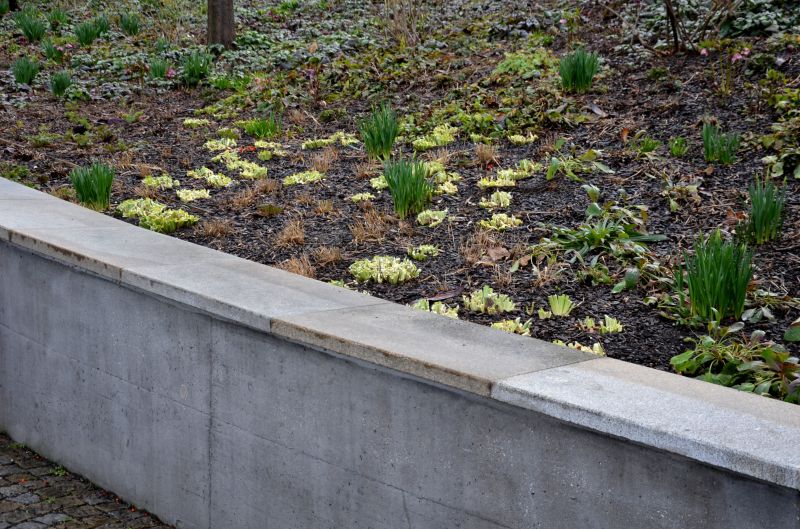
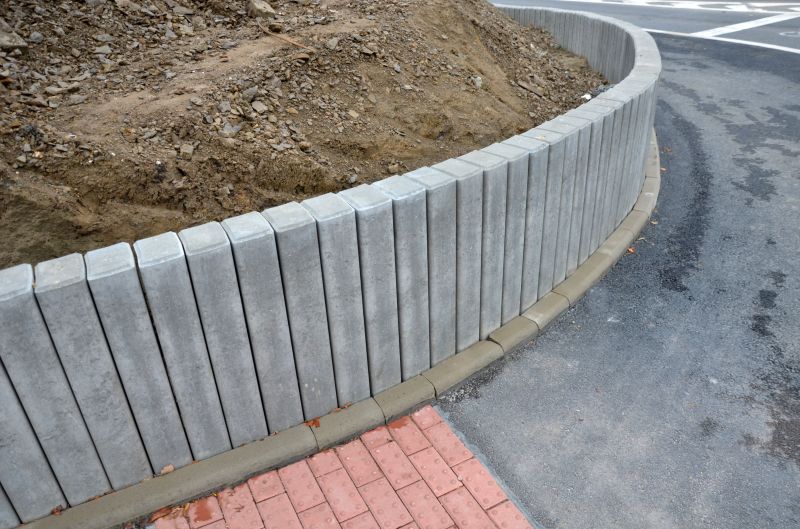
Concrete retaining wall installation involves constructing durable structures designed to hold back soil and prevent erosion. This service typically includes site preparation, foundation work, and the placement of concrete blocks or poured concrete walls. Skilled contractors ensure that the walls are properly reinforced and built to withstand the pressure of the earth they contain. Proper installation not only enhances the stability of a landscape but also adds a clean, finished look to outdoor spaces.
These walls help solve common landscaping challenges such as uneven terrain, soil erosion, and the need for additional support for gardens or patios. They are especially useful in sloped yards or properties with varying elevations, where retaining walls create level areas for planting, seating, or other outdoor features. By controlling soil movement and water runoff, concrete retaining walls can prevent damage to property foundations and reduce ongoing maintenance issues.
Many types of properties benefit from concrete retaining wall installation, including residential homes, commercial properties, and public spaces. Homeowners often use them to improve yard stability, create terraces, or define garden beds. Commercial property owners may install them around parking lots or landscaped areas to ensure safety and accessibility. Public parks and community spaces also utilize these walls to manage terrain and provide durable, long-lasting structures that withstand weather and heavy use.
Understanding when a concrete retaining wall might be needed can help property owners address specific issues proactively. If a yard experiences frequent erosion, has steep slopes that are difficult to manage, or requires additional support for outdoor structures, professional installation can provide an effective solution. Local service providers can evaluate the landscape and recommend the right type of retaining wall to meet the property's needs, ensuring both functionality and visual appeal are achieved.
The overview below groups typical Concrete Retaining Wall Installation projects into broad ranges so you can see how smaller, mid-sized, and larger jobs often compare in your area.
In many markets, a large share of routine jobs stays in the lower and middle ranges, while only a smaller percentage of projects moves into the highest bands when the work is more complex or site conditions are harder than average.
Smaller Repairs - Typical costs for minor concrete retaining wall repairs range from $250 to $600. Many routine fixes fall within this range, though prices can vary based on the extent of the damage and local rates.
Standard Installation - Installing a new concrete retaining wall usually costs between $3,000 and $8,000 for most projects. Local contractors often handle these mid-sized jobs within this range, with larger or more complex projects reaching higher prices.
Large or Custom Projects - Larger, more complex concrete retaining wall installations can cost $10,000 to $20,000 or more. Projects of this scale are less common and tend to involve additional design or site-specific challenges.
Full Replacement - Replacing an existing concrete retaining wall typically falls between $8,000 and $15,000, depending on size and complexity. Many homeowners see costs in this range, though very extensive replacements can exceed it.
Actual totals will depend on details like access to the work area, the scope of the project, and the materials selected, so use these as general starting points rather than exact figures.
Landscape grading and drainage projects - these projects require similar planning, site preparation, and the use of heavy equipment as concrete retaining wall installations.
Foundation wall construction - building foundation walls involves skills in formwork, concrete pouring, and structural planning comparable to retaining wall work.
Terrace and patio construction - designing and installing outdoor terraces often involves constructing retaining structures to manage elevation changes.
Erosion control and slope stabilization - these services include installing structures that prevent soil erosion, utilizing techniques similar to retaining wall installation.
Driveway and walkway paving - laying concrete or paving materials requires expertise in site prep and finishing, akin to setting concrete retaining walls.
Soil excavation and site prep - preparing the ground for various construction projects involves skills in excavation and site leveling used in retaining wall projects.
When comparing service providers for concrete retaining wall installation, it’s important to consider their experience with similar projects. Homeowners should look for local contractors who have a proven track record of completing retaining wall projects comparable in size and complexity. An experienced professional will understand the nuances of site conditions, material choices, and design considerations, which can contribute to a successful outcome. Asking for examples of past work or references related to similar installations can provide insight into their familiarity with this type of project and their ability to deliver quality results.
Clear, written expectations are essential when evaluating potential contractors. Homeowners should seek detailed proposals that outline the scope of work, materials to be used, and the estimated process for installation. Having these expectations documented helps ensure that everyone is aligned on the project’s specifics and reduces the likelihood of misunderstandings. Service providers who communicate their plans openly and provide comprehensive written estimates demonstrate professionalism and transparency, making it easier to compare options and make informed decisions.
Good communication and reputable references are key indicators of a reliable local contractor. Pros who are responsive, willing to answer questions, and provide references from previous clients give homeowners confidence in their professionalism. Contacting references to inquire about their experience can reveal insights into the contractor’s work ethic, adherence to commitments, and overall satisfaction of past clients. While the site introduces homeowners to local options, it’s important to remember that it does not perform the work itself; selecting a contractor with strong communication skills and positive references can help ensure the project proceeds smoothly and meets expectations.
Property owners use Concrete Retaining Wall Installation services for practical projects around their homes and businesses. This guide focuses on everyday jobs and straightforward project options.
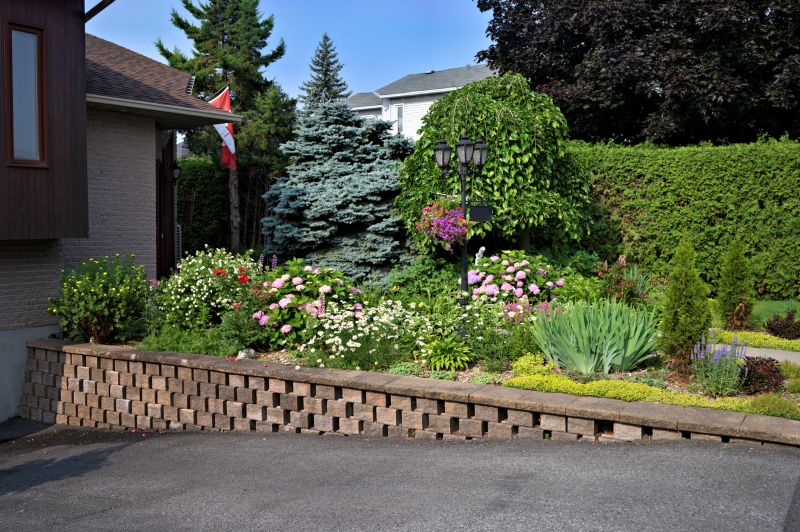
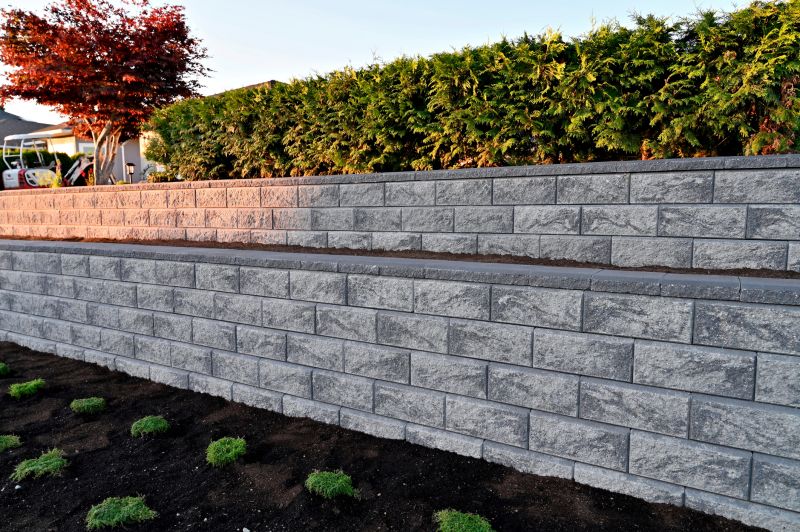
Concrete retaining wall installation is a common project for property owners looking to improve their outdoor spaces. Whether it's to prevent soil erosion on a sloped yard, create a level area for a garden or patio, or add structural support to a hillside, local contractors can provide solutions tailored to these needs. These projects often arise from the desire to enhance property stability, improve drainage, or simply make outdoor areas more functional and attractive.
Homeowners in the area may seek concrete retaining wall services when planning landscaping upgrades or addressing issues caused by shifting soil or heavy rainfall. Local service providers can assist with constructing durable, long-lasting walls that blend with the property’s aesthetic and meet specific landscape requirements. Connecting with experienced contractors ensures that these projects are handled efficiently and effectively, helping property owners achieve their outdoor goals.
What are concrete retaining walls used for? Concrete retaining walls are primarily used to hold back soil, prevent erosion, and create level areas on sloped landscapes.
How long do concrete retaining walls typically last? With proper installation and maintenance, concrete retaining walls can last several decades, providing durable support for landscaping and structural needs.
What types of designs are available for concrete retaining walls? Concrete retaining walls can be designed in various styles, including poured-in-place, precast panels, and decorative textures to match different aesthetic preferences.
Are there any structural considerations for installing concrete retaining walls? Yes, local contractors assess factors like soil type, slope, and drainage to ensure the wall's stability and longevity.
How do local contractors ensure the quality of concrete retaining wall installation? They follow industry best practices, use quality materials, and tailor the installation process to the specific requirements of each site.
Garden Landscaping Borders - A property owner can use a concrete retaining wall to create defined borders around flower beds or vegetable gardens, adding structure and preventing soil erosion.
Erosion Control on Sloped Yards - Local contractors can install retaining walls to stabilize hillside areas, helping to prevent soil movement during heavy rains.
Creating Terraced Outdoor Spaces - Homeowners can build terraced levels for patios or seating areas on uneven terrain, making outdoor spaces more functional and attractive.
Supporting Driveway or Pathway Edges - Concrete retaining walls can be used to reinforce edges of driveways or walkways, ensuring durability and a clean appearance.
If you are thinking about Concrete Retaining Wall Installation for a property, this guide is meant to help you understand the work, the typical project types, and how different options might fit your plans.
When you are ready, you can use the quote form on this page to share a few details about your project. From there, local pros can review the basics and respond with options that match what you have in mind.