ADA Considerations for Commercial Concrete Walks and Steps
People searching for ADA concrete walks and steps installation are usually seeking experts who can ensure accessibility compliance and safety in their commercial spaces.
Property owners in the area who are planning or maintaining commercial walkways and steps often find that ADA considerations play a crucial role in ensuring accessibility, safety, and compliance. Whether updating existing pathways or designing new ones, understanding the guidelines for accessible concrete walks can help prevent potential issues and create welcoming spaces for all visitors. Local contractors experienced in ADA-compliant concrete installation can assist in making thoughtful adjustments that meet regulatory standards while enhancing the overall functionality of commercial properties.
Exploring ADA considerations for commercial concrete walks and steps is a practical step for property owners aiming to improve accessibility and meet legal requirements. Skilled service providers in the community can evaluate existing structures and recommend appropriate modifications, such as proper slope gradients, tactile indicators, and slip-resistant surfaces. By working with knowledgeable local contractors, property owners can ensure their walkways and steps are accessible to everyone, fostering inclusive environments and avoiding costly compliance issues. Keep reading to learn how these professionals can support accessible concrete solutions tailored to specific property needs.
- ADA-compliant walkways - When designing or renovating commercial properties, local contractors can install accessible concrete walks that meet ADA standards for slope and surface.
- Steps with ADA considerations - Businesses seeking to ensure safe and accessible entry points often rely on local service providers to install or modify steps with proper riser heights and tactile warnings.
- Ramped entrances - When ADA considerations require accessible routes, local pros can construct ramps that adhere to slope and width regulations for commercial spaces.
- Curb cuts and transitions - Commercial properties needing smooth transitions between walkways and parking areas often have local contractors handle curb cuts that meet ADA specifications.
- Accessible pathway upgrades - For existing concrete walks and steps, local service providers can modify or retrofit surfaces to improve accessibility in compliance with ADA guidelines.

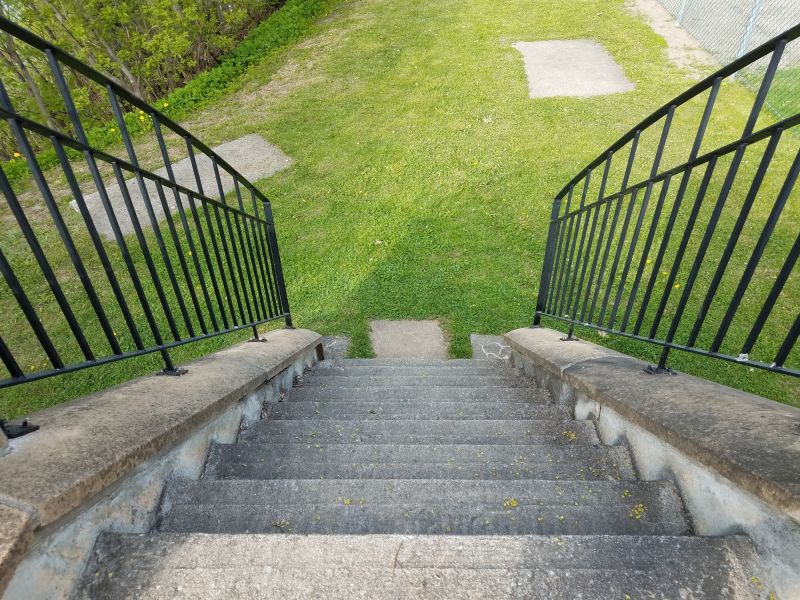
When searching for information on ADA considerations for commercial concrete walks and steps, most people are typically interested in understanding how accessibility regulations impact the design and construction of outdoor pathways and entryways. This includes ensuring that walkways are navigable for individuals with mobility challenges, such as those using wheelchairs, walkers, or other assistive devices. Property owners often want to know what standards they need to meet to remain compliant with the Americans with Disabilities Act (ADA) and to provide safe, accessible routes for all visitors. These concerns are especially common for businesses, public facilities, and multi-tenant properties that serve diverse populations and are required to adhere to accessibility guidelines.
The scope of ADA considerations for commercial concrete walks and steps usually relates to issues like slope, width, surface texture, and the presence of features such as ramps or handrails. Problems often arise when existing pathways are uneven, too steep, or narrow, making them difficult or unsafe for wheelchair users or those with limited mobility. Many property owners plan renovations or new installations to improve accessibility, which involves designing concrete walks and steps that comply with ADA standards. Local contractors who specialize in ADA-compliant concrete work can help ensure these features meet all necessary guidelines, avoiding potential violations and enhancing usability for everyone.
These considerations frequently come up in properties such as retail stores, office buildings, healthcare facilities, government offices, and apartment complexes. Commercial properties with public entrances or outdoor walkways are especially likely to need ADA-compliant concrete steps and pathways. Additionally, properties undergoing renovations or expansions often require updates to their existing concrete features to meet current standards. Homeowners with multi-unit properties or those planning to convert their outdoor spaces into accessible pathways may also seek guidance on ADA compliance. In all cases, local service providers can assist with designing and installing concrete features that align with accessibility requirements and safety standards.
Understanding ADA considerations for commercial concrete walks and steps helps property owners plan for accessible, functional outdoor spaces. Local contractors experienced in ADA-compliant concrete work can evaluate existing features, recommend modifications, and install new pathways and steps that meet all relevant guidelines. By working with knowledgeable service providers, property owners can ensure their outdoor environments are accessible, safe, and compliant with ADA standards. This not only helps avoid legal issues but also promotes inclusivity and improved access for all visitors and occupants.
Commercial sidewalk rehabilitation - local contractors specializing in ADA compliance can help ensure existing concrete walks meet accessibility standards during upgrades or repairs.
Public park pathway construction - professionals experienced in ADA considerations for concrete pathways can design accessible routes that serve all visitors effectively.
Retail storefront accessibility improvements - service providers can install ADA-compliant ramps and steps to enhance entryway accessibility for commercial properties.
Hospital and healthcare facility renovations - local pros can manage concrete work that aligns with ADA guidelines for safe and accessible patient and visitor access.
Educational campus sidewalk projects - experts can plan and install ADA-compliant concrete walks and steps to ensure accessibility across school grounds.
Apartment complex common area upgrades - contractors skilled in ADA considerations can help create accessible pathways and entry steps for multi-unit residential properties.
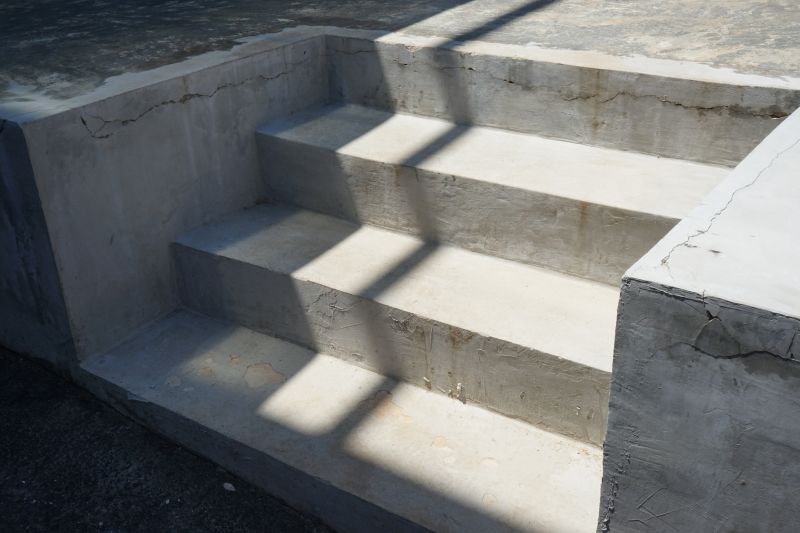
When evaluating service providers for ADA considerations for commercial concrete walks and steps, it is important to consider their experience with similar projects. Contractors who have successfully handled ADA-compliant installations will be familiar with the specific requirements, such as proper slope, width, and tactile indicators, ensuring the work meets accessibility standards. Reviewing their portfolio or asking about past projects can provide insight into their familiarity with ADA guidelines and their ability to deliver compliant, functional solutions that meet the needs of your property.
Clear, written expectations are essential when comparing local contractors for ADA concrete walks and steps installation. A reputable service provider should be able to outline the scope of work, including materials, design features, and compliance measures, in a detailed proposal or contract. This documentation helps ensure everyone is aligned on project goals and standards, reducing misunderstandings and ensuring the final installation supports accessibility requirements. Good communication and transparency throughout the process can make a significant difference in achieving a successful outcome.
Reputable references and good communication are key factors when choosing local contractors for ADA-related projects. Contractors with positive references can provide insights into their professionalism, reliability, and ability to complete projects on time and to specification. Additionally, responsive and clear communication throughout the planning and execution stages helps address questions or concerns promptly, ensuring the installation meets ADA standards and functions effectively. Prioritizing service providers who demonstrate transparency and a willingness to discuss project details can lead to a smoother, more satisfactory experience.
Property owners often search for ADA considerations for commercial concrete walks and steps when they are planning practical projects around their homes and businesses. Local pros provide ADA Concrete Walks and Steps Installation services for everyday jobs and straightforward project options.
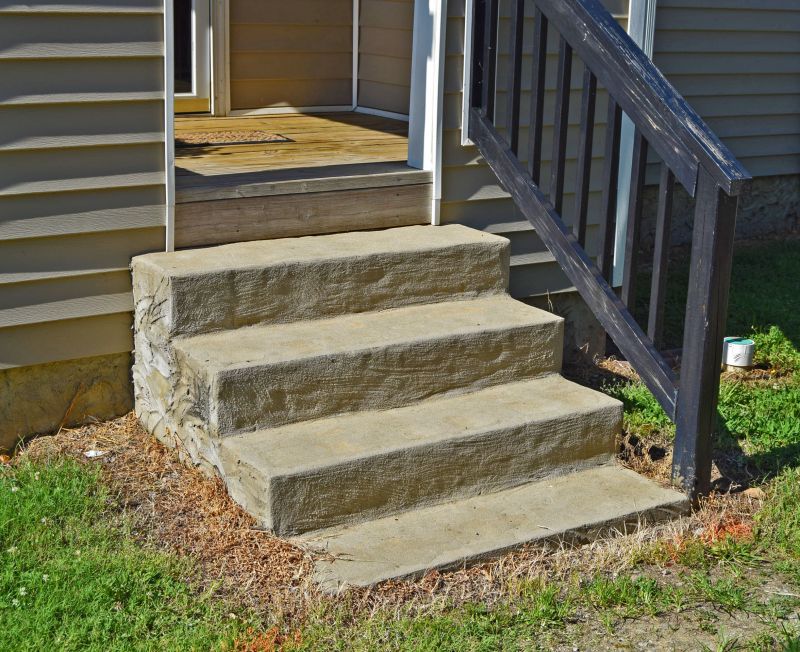
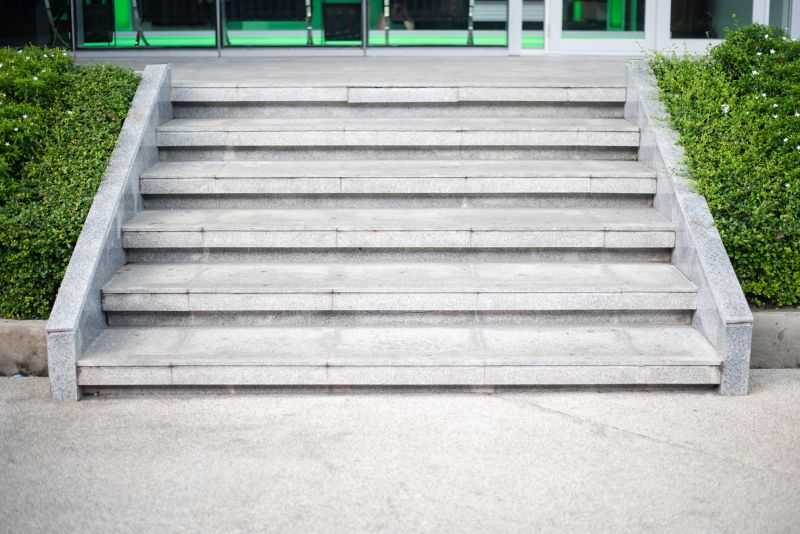
For property owners managing commercial spaces, understanding ADA considerations for concrete walks and steps is essential to ensure accessibility and compliance. Everyday project situations, such as renovating an existing sidewalk or installing new entryways, often prompt questions about how to make pathways safe and usable for everyone. Local contractors who specialize in ADA-compliant concrete installations can help address these needs by designing and building accessible routes that include features like proper slope, textured surfaces, and appropriate curb ramps, making sure that all visitors can navigate the property comfortably.
Business owners and property managers might look into ADA concrete walks and steps installation services when planning upgrades or new construction to meet legal standards and improve overall accessibility. Choosing experienced local service providers can ensure that concrete pathways and steps are built to accommodate wheelchairs, walkers, and other mobility devices, while also enhancing the property's functionality. Connecting with local contractors who understand ADA guidelines can simplify the process of creating accessible, durable, and compliant walkways that serve both practical and aesthetic purposes.
What are key ADA considerations for commercial concrete walks and steps? ADA considerations for commercial concrete walks and steps include proper slope, width, and surface texture to ensure accessibility for all users.
How do local contractors ensure ADA compliance when installing concrete steps? Local contractors follow ADA guidelines by incorporating features like ramps, handrails, and tactile warnings to make concrete steps accessible.
Can ADA requirements be integrated into existing concrete walkways and steps? Yes, experienced service providers can modify or add features to existing concrete walks and steps to improve ADA compliance.
What design features are important for ADA-compliant concrete walkways? Important features include a smooth, slip-resistant surface, appropriate slope, adequate width, and accessible curb ramps if needed.
How do local pros handle ADA considerations during concrete walk and step installation? Local contractors incorporate ADA guidelines into their design and construction process to ensure the finished project is accessible and compliant.
Accessible Ramps and Pathways - Ensuring commercial walks include ramps with gentle slopes and wide, unobstructed pathways helps meet ADA requirements and improves accessibility for all visitors.
Smooth, Non-Slip Surfaces - Choosing textured concrete finishes for steps and walks can reduce slipping hazards and provide safer passage for individuals with mobility devices.
Proper Step Heights and Treads - Local contractors can help design steps with consistent heights and depths that comply with ADA standards, making entry and exit safer and easier.
Clear Signage and Markings - Incorporating visible, tactile indicators and markings on concrete steps and walks can assist visitors with visual impairments in navigating the space confidently.
If you are thinking about ADA considerations for commercial concrete walks and steps for a property, this guide is meant to help you understand this topic, the typical project types, and how different options might fit your plans.
When you are ready, you can use the quote form on this page to share a few details about your project. From there, local pros can review the basics and follow up with options that match what you have in mind.